

What Is Next After Windows 10
Hither is why there will be no Windows 11
Ed: Information technology so happens that Windows 11 was unveiled on June 24, 2021. We have added this note to reflect the event but won't update the actual article to maintain the integrity of its historical account.
When Terry Myerson was trying to explain why the version of Microsoft'south operating organization afterward Windows eight wasn't called Windows 9, he said the proper noun had to match how different this new release of Windows would be. "We're at an inflection bespeak," he explained. "We're at a indicate where we carry forward all that's good in Windows and step across into a new way of doing things – a new Windows. Considering nosotros're non building an incremental Windows, the new Windows is Windows 10."
That new fashion of doing things is what Microsoft calls Windows as a Service. That's a slightly confusing name – it doesn't mean that Windows is moving to be a deject version of an operating arrangement. At that place won't be a Windows 11 that only runs when you're online, or has nothing but a browser like Chrome Os.
In fact there probably won't be a Windows xi at all – simply new updates that add extra features to Windows without changing the name. Some of those will come month by calendar month, others will exist collected into larger updates that bring multiple features at once.
- twenty smart new and improved features in Windows 10
The first of these is planned for this autumn, adding features to the Border browser like syncing favourites betwixt machines and giving business organization versions of Windows the Enterprise Data Protection file containers for security. Then there will exist some other major update a yr afterwards. And no, you won't have to start paying a subscription to go those subsequently the showtime twelvemonth – Microsoft has had to change the style it does the accounting reports for Windows 10 revenue because of the new update model, but that doesn't hateful it's going to charge for those updates.
No need for Windows 11
That's why when y'all ask the Windows team if a specific selection is in Windows x, the answer is usually "not currently" rather than no. Microsoft doesn't demand to bring out Windows eleven, considering it can just proceed adding features to Windows 10. In fact that'due south the way information technology'southward built Windows 10 – instead of coming up with the plan for all the features and options at the showtime and so building them, the process has been much more than agile, with minor changes tested in preview releases and ofttimes changed based on feedback earlier the team moved on to work on the adjacent group of features and options.
That process will continue considering the Windows Insider previews volition proceed. Information technology'southward very dissimilar from getting betas of a new version of Windows once every two or iii years, and rather more similar Google's cloud services that keep getting new features and keep their beta title for many years.
The fact that Windows 10 is a perpetual – and perpetually updating – version of Windows does explain why Microsoft wanted a more significant name. It might also have been intended to avoid the obvious comparison with Apple's Mac OS X, which has stayed as Os X instead of getting a new number for each new release. Different Apple tree's serial of true cat and California names, Microsoft probably won't use catchy codenames publicly (the fall 2015 update is called Redstone internally). Simply you can think of information technology every bit getting a new version of Windows every year, with the Insider previews being available for much of the previous twelvemonth.
Only how long can that keep for?
- Read more about Windows ten migration on our sister website, ITProPortal.com
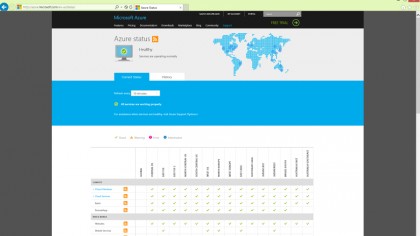
And so what happens in the future? Microsoft isn't going to throw Windows away and supplant information technology with a new operating organization from Microsoft Enquiry (like a new version of the Midori research OS), considering it doesn't need to (at least non for a very long time). It can utilize research operating systems for research and put what it learns from them in Windows ten – like the container work from the Drawbridge research OS that has been in use in Azure for a while – without losing all the thousands of apps and programs that run on Windows.
More radical changes can potentially go into the operating organisation now that key chunks of Windows (like the logon service) can be run virtually, on Hyper-V – as long every bit Hyper-V can run on the base layer of the operating system, Windows itself can run within Hyper-Five. Then there's the micro-virtualisation approach taken by Bromium, which Microsoft will support with Windows ten. Plus some of the confusing changes once thought necessary to speed up an operating system are no longer needed, because modern CPUs do so much more of the work of virtualisation directly in hardware (which is far faster than doing it in software).
Security considerations
More of the security piece of work will before long be done by the CPU as well. Now that Hyper-Five tin use a virtual TPM, a virtual machine can exist protected by BitLocker deejay encryption, with the keys to the encryption stored in hardware, in the TPM. That'south how the shielded virtual machines in Windows Server 2016 work. Even more secure would be running applications with encryption, so they're protected while they're in utilize – which is important if you're running them on a cloud service; currently, you just have to trust that the deject provider isn't looking at them, and that their systems haven't been compromised.
The Software Guide eXtensions (SGX) technology that Intel has in development can run an applications in a protected 'enclave' on the CPU where everything is encrypted. That means your password managing director doesn't simply encrypt the re-create of your passwords that information technology keeps in its files – the whole password managing director is encrypted when it's running, and then the passwords are amend protected. Intel doesn't accept a date for releasing CPUs with SGX, and they'll show up in server chips for cloud providers, merely the fashion SGX is designed means that applications tin can run on it without existence rewritten.
Other new hardware, like next-generation storage that's as fast as memory but keeps data when you turn a PC off the way wink and hard drives do, will just be incorporated into Windows.
In the very long term, changes in technology may somewhen mean that we require a truly different operating system; for example if breakthrough computing becomes a reality (something Microsoft is researching itself). But for the foreseeable future, what comes after Windows 10 is more Windows x.
- Windows 10 Home vs Windows x Pro: the key differences explained

What Is Next After Windows 10,
Source: https://www.techradar.com/news/software/operating-systems/what-comes-next-after-windows-10-1299629
Posted by: hardyhaddle.blogspot.com
0 Response to "What Is Next After Windows 10"
Post a Comment